
Home

Your Account

Shopping Cart

Contact


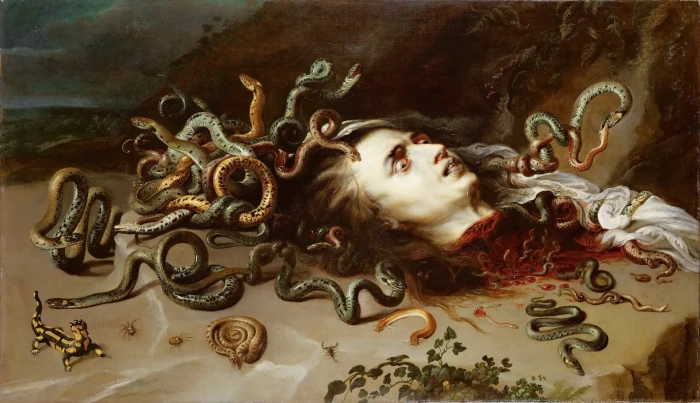
Peter Paul Rubens
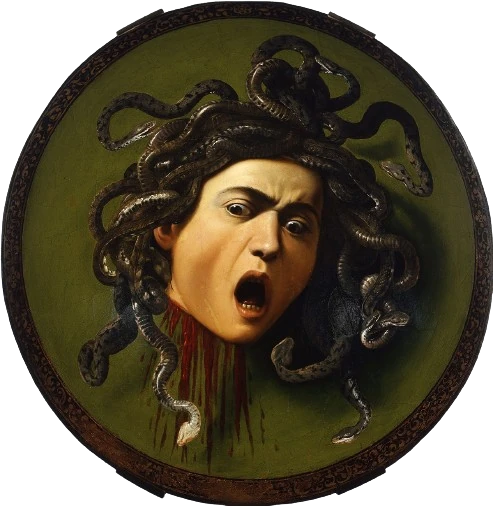
Michelangelo Merisi da Caravaggio
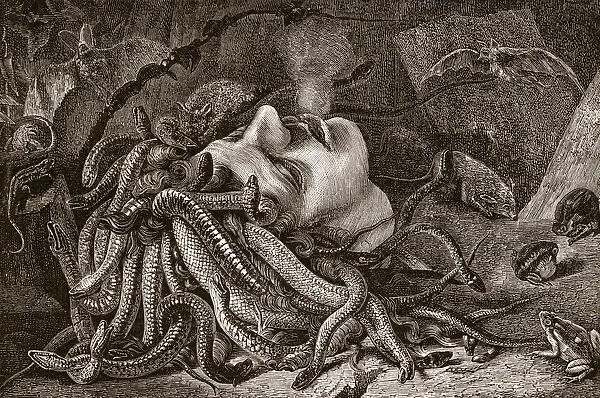
Leonardo da Vinci
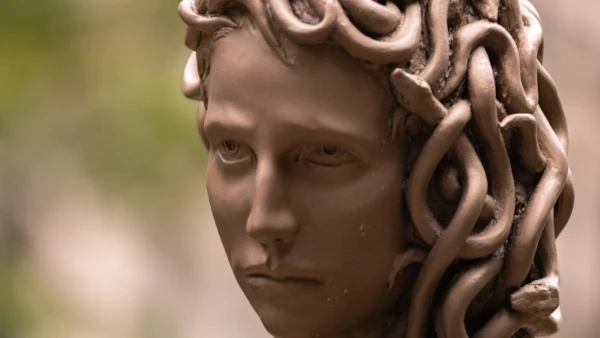
Luciano Garbati, Medusa With The Head of Perseus

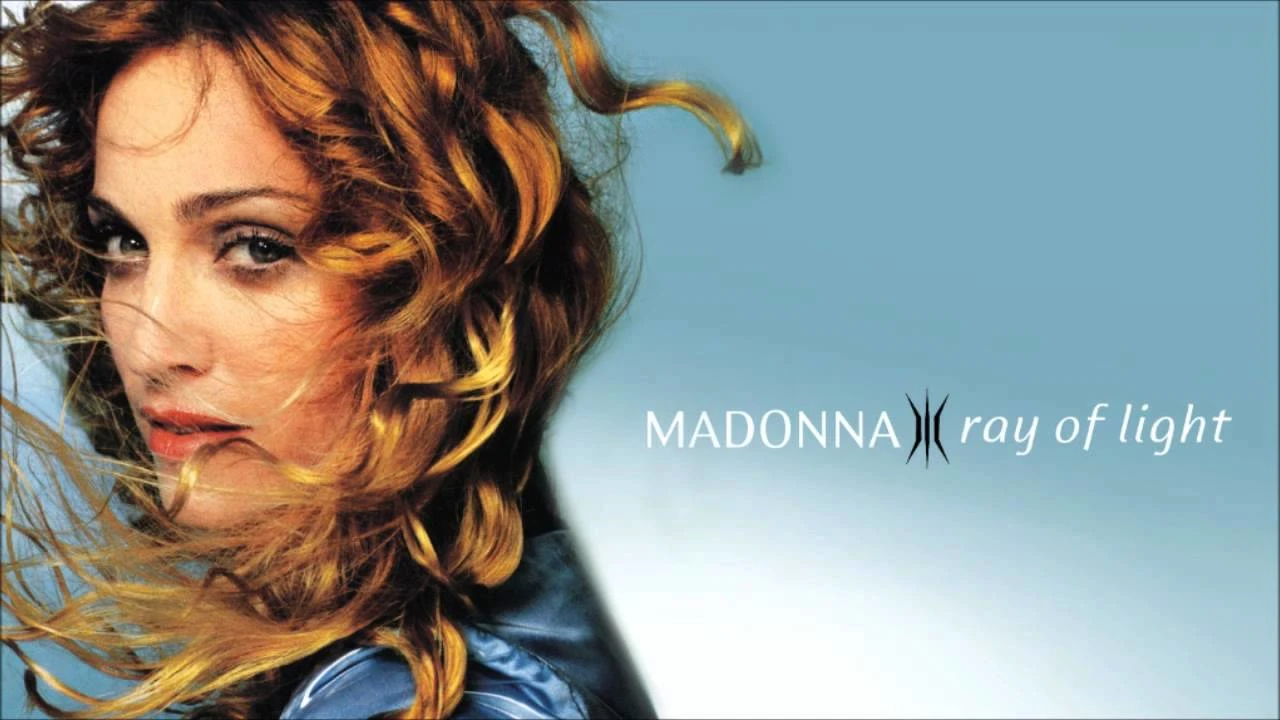
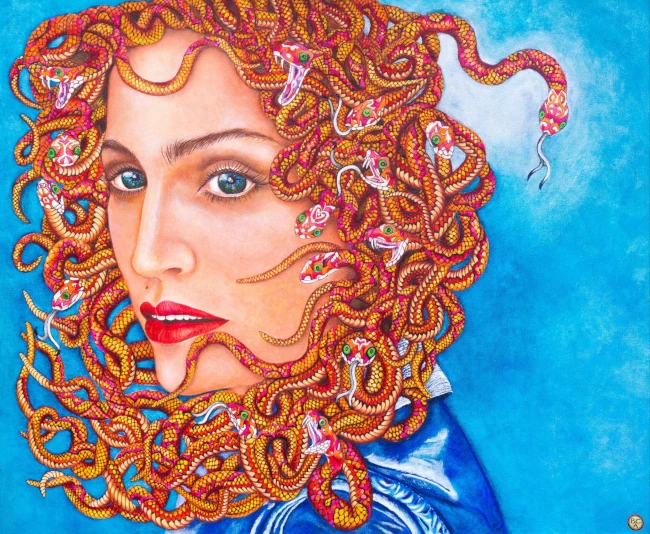
Ray of Light, The Material Girl Goes Spiritual
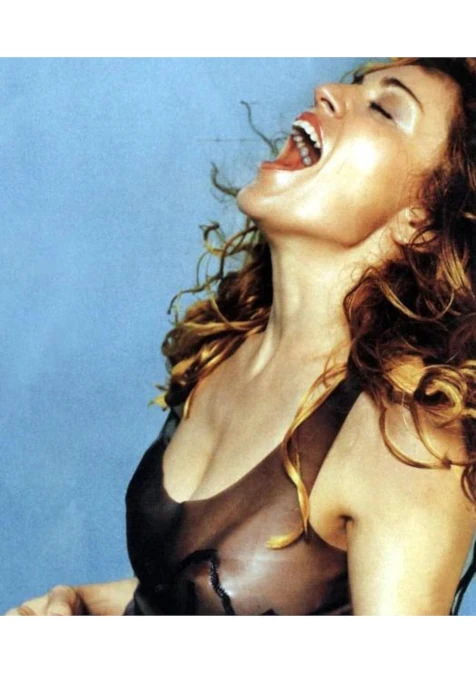


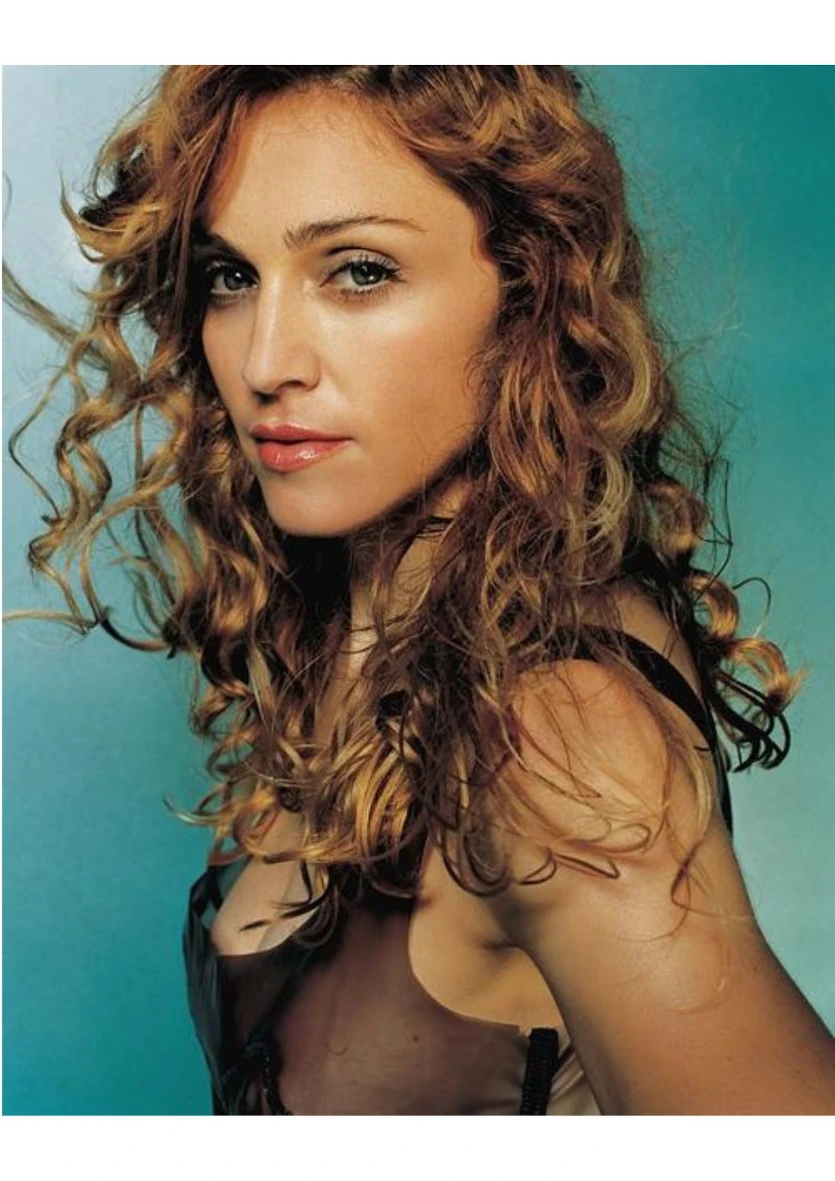


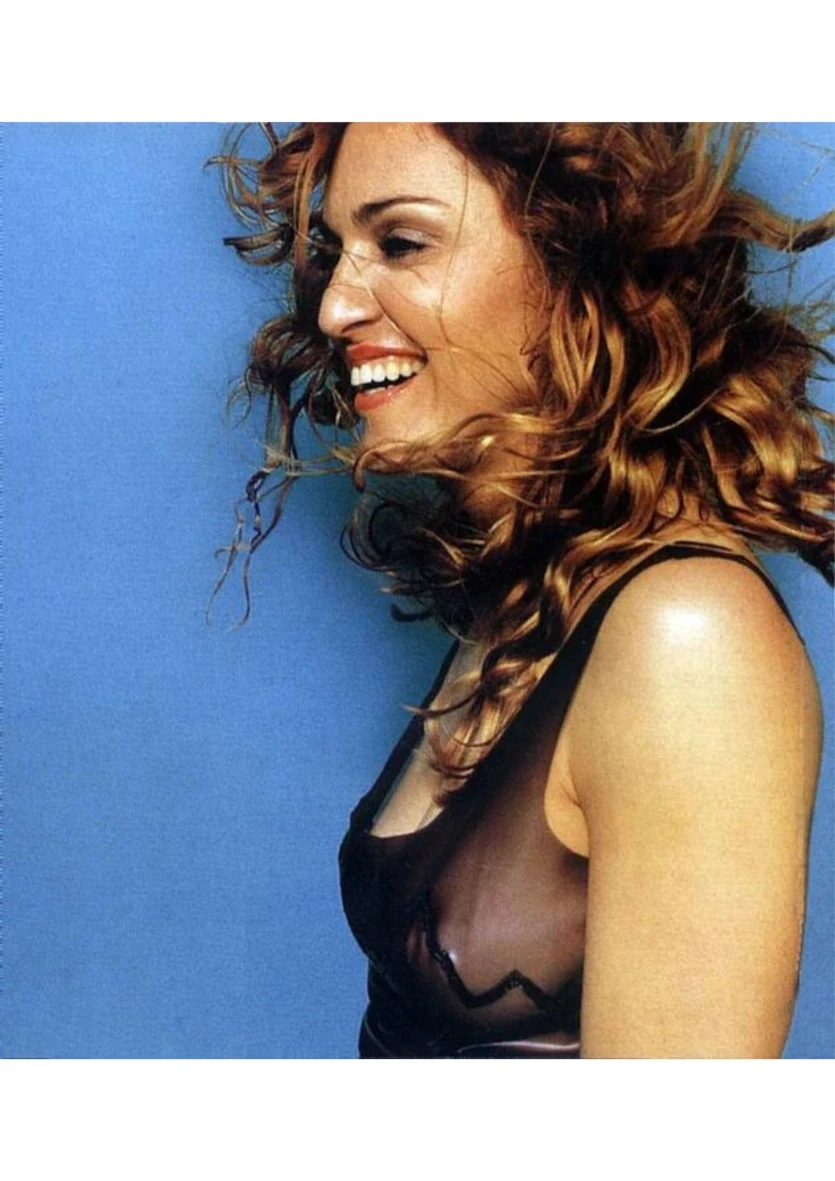


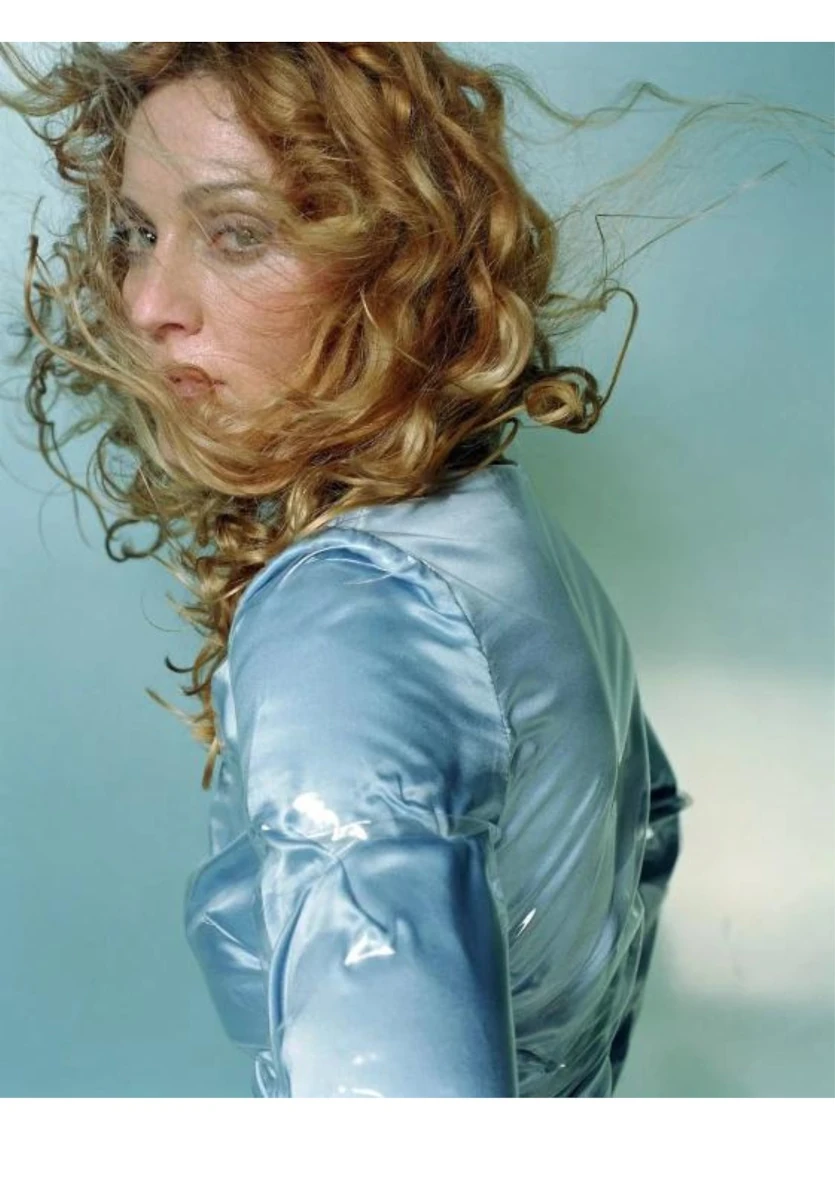
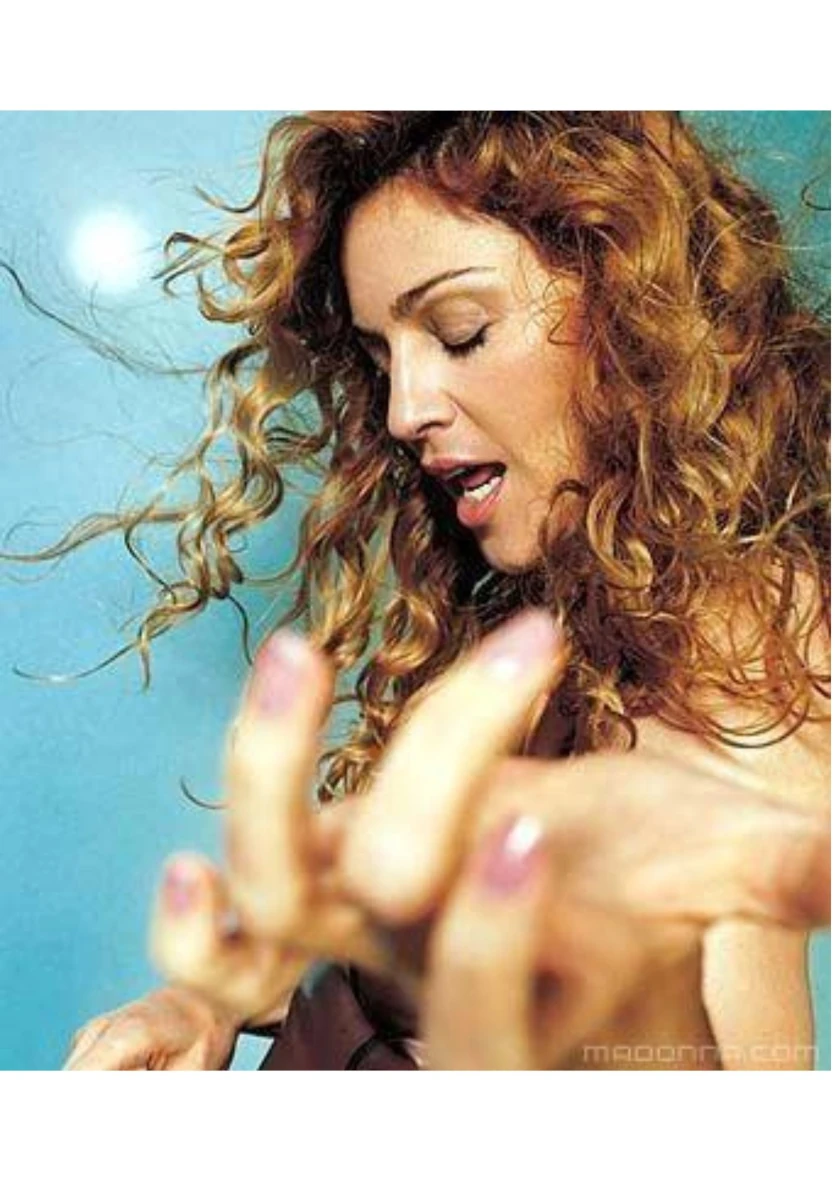

In 1998, Madonna released what music critics regard as one of her most ambitious, inventive, and experimental albums: Ray of Light. The record marked a bold departure—both sonically and aesthetically—from her earlier work, as she embraced electronic music while weaving in strong spiritual undertones. Widely considered one of the most transformative moments of her career, Ray of Light reaffirmed Madonna’s enduring ability to reinvent herself.
Critics often point to two pivotal events that profoundly influenced Madonna’s life and music in the years leading up to the album’s release. The first was the birth of her daughter, Lourdes, in 1996; the second was her spiritual awakening through the study of Kabbalah. In other words, the former “Material Girl” had undergone a profound inner transformation. As Madonna herself stated, “All the puzzle pieces had started falling into place.”
The album’s cover art, booklet, and promotional imagery were photographed by renowned fashion photographer Mario Testino. The shoot took place at the Paris Theater in Miami on November 28, 1997. Much like the music itself, the photographs convey a sense of introspection and spirituality. A soft breeze lifts Madonna’s blonde curls, creating the impression that she is suspended in space—weightless, luminous, and reborn.
Ray of Light became Madonna’s most significant album in a decade, reestablishing her as a top-selling artist and critical force. Rolling Stone ranked it 28th among the best albums of the 1990s, and in 1998, MTV awarded the single “Ray of Light” both Best Overall Video and Best Female Video.

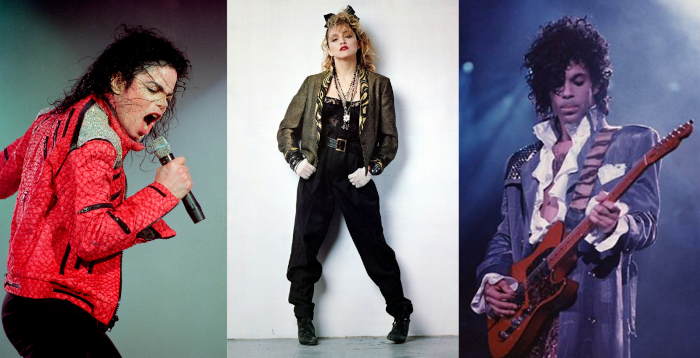

The Cold War and Pop Music
After World War II, the United States and the Soviet Union entered a decades-long ideological confrontation known as the Cold War (1947–1991). The U.S. government viewed the spread of communist ideology as an imminent global threat and responded by developing policies designed to promote the values of the American capitalist system. The objective was clear: to prevent the expansion of communist totalitarianism.
Fearful of the so-called “Red Menace,” the United States did not rely solely on military or political strategies. Instead, it also turned to popular culture—particularly music—as a subtle yet powerful propaganda tool. American popular music was deployed to project a symbolic image of freedom, individuality, and self-expression into the Eastern Bloc, standing in stark contrast to the rigid conformity of Soviet life.
In 1948, just three years after the end of WWII, the U.S. Congress passed the U.S. Information and Educational Exchange Act, whose purpose was to “promote a better understanding of the United States among the peoples of the world.” American policymakers believed that a gradual cultural introduction of Western values would be more effective—and far less dangerous—than direct military confrontation, which carried the ever-present risk of nuclear escalation.
During the early 1980s, American pop music circulated clandestinely within the Soviet Union. Cassette tapes and CDs were banned by the regime and could only be obtained through the black market. To Soviet authorities, pop music symbolized the perceived moral decay of capitalism—chaotic, individualistic, and selfish. Yet its very prohibition only increased its allure.
This dynamic shifted dramatically after the election of Mikhail Gorbachev in 1985. His reformist policies of Perestroika (“restructuring”) sought to overhaul the Soviet political and economic system and introduced a more permissive stance toward Western culture. Under Gorbachev’s leadership, American artists such as Bruce Springsteen and Billy Joel were allowed to perform live concerts in the USSR and Eastern Europe. After decades of suffocating totalitarian control, people were finally permitted to experience what had long been forbidden: Western popular music as an embodiment of freedom.
These concerts were received with overwhelming enthusiasm. They offered not only entertainment but also a powerful emotional release—a breath of fresh air after years of repression. In many ways, these spectacles symbolized the freedom that millions longed for.
“I am not for or against any government. I have come here to play rock and roll for you East Berliners in the hope that one day all barriers can be torn down.”
—Bruce Springsteen, East Berlin, 1988
By reaching the hearts and minds of Soviet citizens, pop music helped disseminate American values and arguably played a role in the eventual collapse of the Cold War in 1991. Yet the question remains: Who truly ended the Cold War? Was it Ronald Reagan or Mikhail Gorbachev? The arms race? The deep-rooted desire of Eastern Europeans for freedom? Or the slow, persistent infiltration of Western culture?
Most likely, it was a convergence of all these forces. What is certain, however, is that the conflict did not end in nuclear catastrophe.
“They wanted Western records of their favorite artists and bands. Then they wanted to dress, talk, and act like their idols. Soon, they wanted to be free like them. Eventually, the American tactic of gradual cultural infiltration worked—people crossed the bridge and brought down the Iron Curtain.”
—Sarah Jean Bittner, Pop in the Bloc: How Popular Music Helped the United States Win the Cold War, Georgetown University, 2012
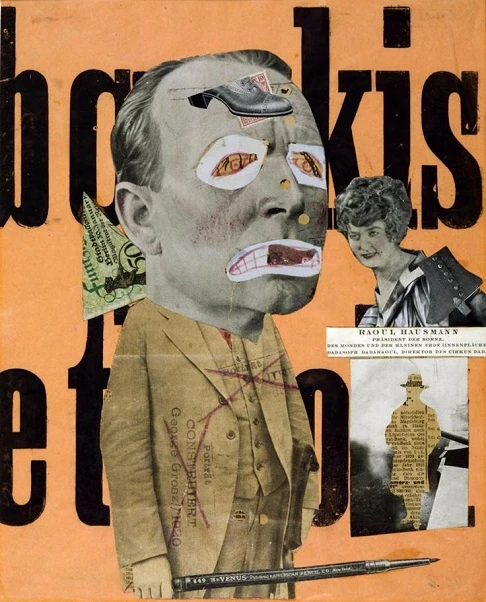
Raoul Haussman, The Art Critic
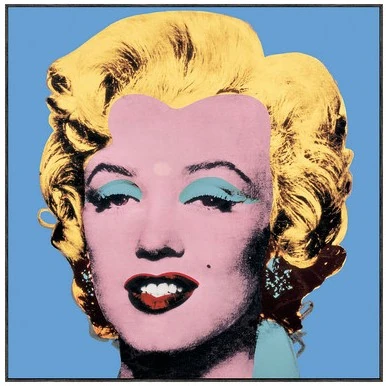
Andy Warhol, Blue Marilym
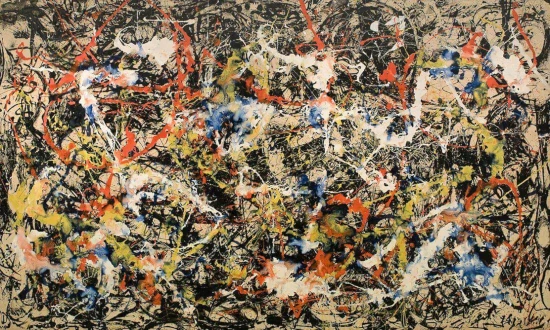
Jackson Pollock, Convergence
The Dadaist Movement, Pop Art and Abstract Expressionism
Dadaism and Pop Art emerged as reactionary art movements in response to World War I and World War II, respectively. Dada originated in neutral Switzerland in the aftermath of WWI as a radical counterreaction to the absurdity, brutality, and perceived moral collapse brought about by the conflict. Pop Art, by contrast, emerged primarily in the United Kingdom and the United States during the 1960s and reflected—and in many ways celebrated—the rise of mass consumer culture and the capitalist economic system that flourished after WWII.
The Dada movement criticized the notion that art had become elitist, disconnected, and irrelevant to the everyday experiences of ordinary people. Dadaists challenged the very definition of art, arguing that so-called “traditional art” was discriminatory in nature because it represented experiences, narratives, and aesthetics accessible only to a privileged minority. To them, museums had become temples of exclusion rather than spaces of shared human expression.
One of the most representative works of Dadaism is The Art Critic by Raoul Hausmann. This collage mocks both the superficiality of the art world and the rigid conventions of the bourgeoisie. Hausmann employed illustrations similar to those found in popular magazines, deliberately appropriating everyday imagery to satirize the pretensions of art critics and institutionalized art. By using familiar visual elements and quotidian objects, Dadaists sought to narrow the gap between art and viewer, making artistic expression accessible and immediate.
This approach, however, horrified traditional critics, who viewed Dada’s irreverence as an uncritical assault on aesthetic values. Dadaists questioned how the average viewer could genuinely relate to works such as The Coronation of Napoleon by Jacques-Louis David, displayed at the Louvre. After all, very few people could identify with the experience of crowning oneself emperor in Notre Dame Cathedral. For Dadaists, such works epitomized the exclusivity of fine art. They went further, asserting that anything declared art by the artist should be considered art. In doing so, Dadaism fundamentally destabilized long-standing aesthetic conventions. Even the movement’s name—“Dada,” intentionally resembling a toddler’s first utterances—underscored its embrace of absurdity and its critique of artistic seriousness.
Pop Art followed the Dadaist revolt but positioned itself specifically against Abstract Expressionism rather than against traditional art as a whole. Abstract Expressionism emphasized spontaneity, emotional intensity, and subconscious expression. Artists such as Jackson Pollock rejected recognizable forms in favor of gestural abstraction, exemplified by his famous “drip technique,” which prioritized emotional immediacy over representation. While this invited open interpretation, it also reinforced a sense of ambiguity and detachment for many viewers.
In contrast, Pop Art returned to recognizable imagery drawn from popular culture, advertising, and mass media. Like Dadaism, it relied on familiar visuals, but unlike Dada, Pop Art did not claim that anything could be art. Instead, it elevated consumer products, celebrities, and brand imagery as worthy subjects of artistic exploration.
Andy Warhol emerged as the most influential figure of the Pop Art movement. His early career in commercial illustration and graphic design deeply informed his artistic practice, explaining his recurring use of corporate logos and consumer goods, most famously his Campbell’s soup cans. Warhol’s work blurred the boundaries between fine art and commercial imagery, reflecting the visual language of advertising itself.
Pop Art arose directly from the economic prosperity and cultural transformation of postwar America. Following WWII, the United States experienced unprecedented economic growth and global influence. Television became the dominant cultural medium, reshaping consumer behavior and social identity. Advertising encouraged consumption driven by desire rather than necessity, promising happiness, status, and fulfillment. Simultaneously, technological advancements in film and music created a new class of global celebrities, such as Elvis Presley and Marilyn Monroe. Pop Art both mirrored and idealized this emerging consumer-driven, celebrity-obsessed society.
The movement also deliberately echoed the industrial logic of mass production. Warhol’s use of screen printing allowed for the rapid creation of multiple nearly identical works, mimicking the repetition of factory assembly lines. His studio, aptly named The Factory, underscored this industrial ethos. By embracing mechanical reproduction, Pop Art positioned itself in stark opposition to the emotionally charged, singular gestures of Abstract Expressionism.
Undeniably, both Dadaism and Pop Art posed significant challenges to traditional artistic values. Dadaism incorporated unaltered everyday objects and images, proclaiming them art by declaration alone. Pop Art, while visually seductive, often relied on minimal intervention—bold colors and slight alterations applied to preexisting images. Nevertheless, in my view, both movements represent a regression in the natural evolution of art as a meaningful aesthetic interpretation of the human experience.
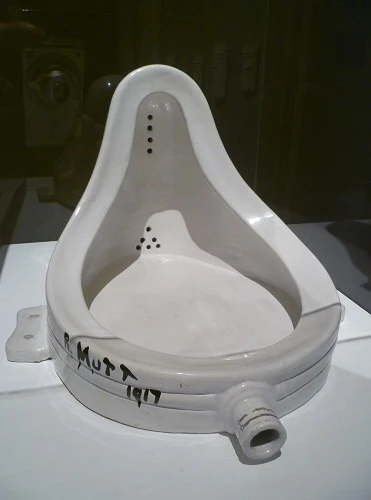
Marcel Duchamp, Urinary

Maurizio Cattelan, A banana taped to a wall
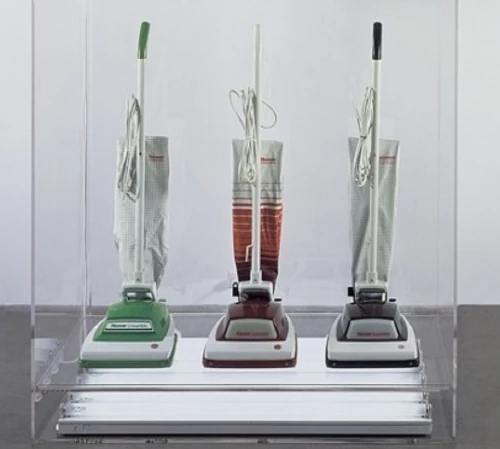
Jeff Koons, Three vacum cleaners

Gabriel Orozco, Shoe Box
It’s just a cheese grinder
In December 2019, as I do each year, I visited Art Basel in Miami with my sister Bertha, who studied art history in London. One gallery caught my attention by exhibiting a cheese grinder—an unremarkable object, but one often elevated to “art” in contemporary galleries. While examining the piece, two things happened simultaneously: my sister mentioned that this gallery was among London’s most prestigious, and I overheard the representative explaining to a potential buyer that the cheese grinder symbolized “an arduous life full of suffering,” or words to that effect.
This work falls under Concept Art, an early twentieth-century movement that prioritizes the idea behind an artwork over its visual qualities. Stemming from Marcel Duchamp’s “ready-made” technique—think his infamous Fountain urinal—Concept Art places intellectual interpretation above aesthetic experience. Yet critics continue to debate whether these objects truly qualify as art. By definition, Concept Art often consists of prefabricated or “ready-made” items—everyday objects such as cheese graters or urinals—that could be replaced without anyone noticing a difference. The focus is on the story rather than the object itself.
Galleries and curators frequently exploit this ambiguity, presenting ordinary objects with abstract explanations to compel viewers to reconsider their perception of reality. What transforms a mundane object into art? In my view, the magic lies not in the object itself but in the fact that it resides in a gallery or museum instead of a kitchen drawer.
While I observed the cheese grinder, the media erupted over Maurizio Cattelan’s banana, taped to a wall with duct tape, which sold for $120,000 at the Perrotin Gallery in Paris. People stared at it as if it were a Vermeer masterpiece, illustrating how contemporary art can be driven more by spectacle and hype than genuine substance. The banana’s elevation to “art” demonstrates that, in this context, perception often outweighs talent or technique.
Concept Art allows anyone to declare an object as art and, by extension, themselves as an artist. While this democratization may seem inclusive, it risks devaluing true artistry, which is founded on skill, mastery, and hard work. Historically, artistry has demanded dedication and refinement; today, anyone can assume the title of “artist” without demonstrating either.
In short: I’m not buying your b.s. story. It’s just a cheese grinder.
Francisco “Paco” Díaz Cuéllar

It is our mission at Color Magenta, not only to make products
we are proud to sell, but also to deliver a message.
Click on the icons below to learn more about:






TikTok